
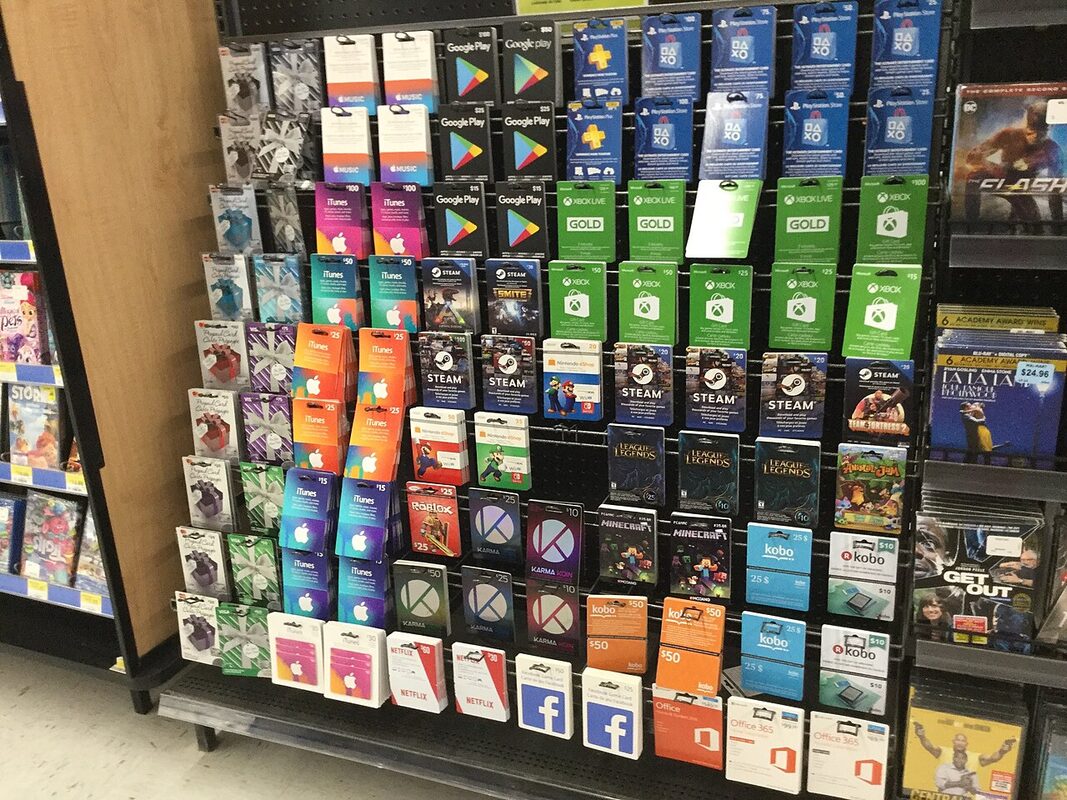
Gift cards are about as close to cash as digital goods get. Once one is redeemed, the value is gone. That is the most concrete loss in a new SEC filing from iQSTEL Inc., whose subsidiary GlobeTopper runs a business-to-business platform for digital gift cards and mobile top-ups. The company says an attacker got into the platform in late October, took API credentials belonging to some of its business customers, and redeemed gift cards with a face value of about $70,000. In the company's words, those cards cannot be blocked or recovered.
The bigger number comes from the shutdown. GlobeTopper's platform was down from early Oct. 23 until a rebuilt platform was deployed on Oct. 31, with staged service resumption from Nov. 1, and iQSTEL's preliminary high-end estimate is that about $2.5 million in revenue went ungenerated as a result.
The details are in a Form 8-K filed under Item 8.01 ("Other Events"). The cover lists November 16, 2026 as the date of report. MLQ.ai says the filing reached the SEC on November 20, and that BleepingComputer reported on it November 23.
The Timeline
The filing sets out a fairly precise sequence of events:
- Oct. 22, about 9:00 a.m. ET: GlobeTopper detects unauthorized access and suspends the platform. Service comes back that evening.
- Early Oct. 23: More unauthorized activity is found. At about 5:30 a.m. ET, the company takes the platform and all affected servers offline.
- Oct. 31: A new platform built on Amazon Web Services (AWS) is deployed.
- Nov. 1 onward: Service resumes in stages.
The first response, a suspension followed by a same-day restore, did not stop the intruder. Less than a day later the attacker was active again, and the company moved from containment to a full shutdown and rebuild. When an attacker is still active after a first cleanup, defenders commonly stop trusting the existing environment and rebuild, and GlobeTopper's move to a newly built AWS environment fits that approach.
What Was Taken
The filing confirms that the attacker obtained API credentials and integration keys belonging to certain business customers. GlobeTopper's customers are businesses that connect their own systems to its catalog of gift cards and top-ups through an API (application programming interface), a machine-to-machine connection. The API keys are what let those systems place orders on a customer's behalf. Anyone holding a valid key can, in principle, act as that customer.
The company says it revoked and rotated the affected credentials, issued new ones with additional access restrictions, and has found no unauthorized use of the stolen ones. That is the good news. Help Net Security notes that the filing does not say how many business customers had keys taken.
The gift-card loss is separate. The filing says cards with a face value of about $70,000 were redeemed without authorization as a result of the incident. It does not say whether those redemptions used the stolen customer keys or some other route. Since the company also says it found no unauthorized use of the stolen keys, readers should not assume the two are connected. The filing adds that further losses could arise if any exposed redemption links are later redeemed or reported.
Several questions remain open. iQSTEL says its investigation is ongoing into whether other customer data, personal information, payment data or provider data was accessed, and whether any notification obligations apply. Help Net Security reports that the filing does not explain how the attacker got in or who was behind the attack, and that no ransomware group has claimed it. No attribution to any gang or nation-state has been made by the company or the sources reviewed here.
The Money
The roughly $2.5 million figure is lost revenue, not stolen funds. It is management's estimate of revenue not generated during the service interruption. The company calls it a preliminary, high-end estimate. It says some of that volume may be deferred or recovered, so the permanently lost portion, if any, has not been determined, and it points out that the business runs on low gross margins. It expects the effect on gross profit to be substantially smaller than the revenue figure.
The filing also says the gift-card loss is one the company expects to bear, subject to any insurance or other recovery, and that remediation, forensic, legal and rebuild costs and possible customer or provider claims are still under evaluation.
For a sense of scale, MLQ.ai cites BleepingComputer as reporting that GlobeTopper's website claims more than 4,000 brands across 65 countries. That claim comes from the company's own marketing, not from the filing.
Why an 8.01 and Not a 1.05?
SEC rules in force since 2023 require public companies to disclose material cybersecurity incidents under Item 1.05 of Form 8-K, within four business days of determining an incident is material. iQSTEL used Item 8.01 instead. The filing says the company has not determined that the incident is material, does not currently believe it has had or is reasonably likely to have a material impact on the company, and will file an Item 1.05 8-K within four business days if it reaches that conclusion.
The practical effect is that investors get the known facts now while the materiality question stays open as the investigation continues.
What the Company Changed
According to the filing, as relayed by Help Net Security, GlobeTopper has strengthened access controls, isolated its public-facing infrastructure from core operational systems, and added monitoring and threat detection. It also cautions that these measures cannot eliminate the possibility of future incidents. The isolation step matters. If internet-facing systems can reach the systems that hold credentials and issue value, an attacker who gets a foothold in one can get to the other. Separating them limits how far an intruder can go from the front door.
What It Means for Defenders
Who is affected: First, businesses that connect to GlobeTopper's API to resell or distribute gift cards and mobile top-ups. The company says it revoked and rotated the affected customers' keys. Second, anyone running a platform that issues stored value through an API, because this incident shows how that kind of system tends to fail.
If you integrate with GlobeTopper:
- Make sure your systems use the newly issued credentials. Any old keys should now fail, so if they still work anywhere, raise it with the vendor.
- Go through your order and transaction history from about Oct. 22 onward, and compare it with your own records for orders you did not place. The company says it found no misuse of the stolen keys, but checking your own books is cheap insurance.
- Look for any keys or secrets you reused between GlobeTopper and other services, and rotate those as well.
- Watch for notification letters. The investigation into personal, payment and provider data is still open, and the company says it is assessing notification obligations.
- Expect phishing that uses this incident as a lure, such as fake "re-verify your API keys" emails. Confirm any credential-related requests through a contact channel you already know is real.
If you run a gift-card or stored-value platform:
- Treat API keys as live money. Keep them in a secrets manager, limit what each key can do, and tie keys to known source networks where your customers can support that.
- Put velocity limits and anomaly alerts on redemptions and issuance. A redeemed gift card generally cannot be pulled back, as GlobeTopper found, so the chance to stop losses comes before redemption.
- Separate public-facing services from systems that hold credentials or mint value. This is the same change GlobeTopper says it has now made.
- Plan for the second wave. GlobeTopper's same-day restore on Oct. 22 was followed by renewed attacker activity the next morning. Before bringing a platform back, make sure you have actually removed the attacker's access, and rotate every credential the intruder could have seen, not only the ones you know were taken.
- Have a rebuild plan ready. Being able to stand up clean infrastructure quickly, as GlobeTopper did on AWS in about eight days, limits how much revenue an outage costs.
No CVE, patch or vulnerable product version has been disclosed. The filing does not say how the attacker got in, so there is no specific fix to apply. The mitigations above are credential hygiene and fraud controls, not a patch.
