
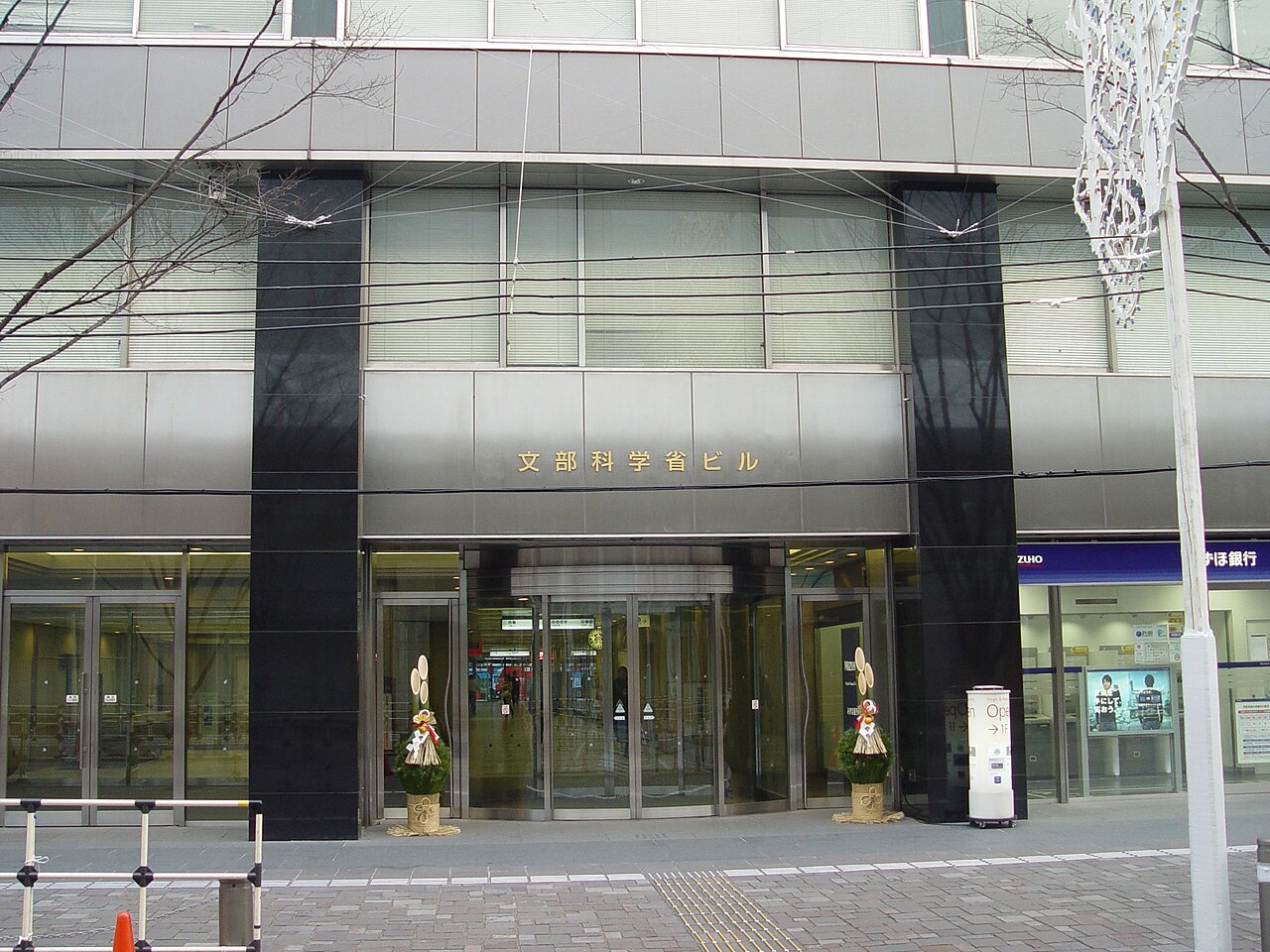
Japan's Ministry of Education, Culture, Sports, Science and Technology, known as MEXT, says an unauthorized third party got into the servers behind its government procurement information system. The intrusion was detected on Oct. 1, 2026. The ministry did not announce it until Nov. 25, almost eight weeks later.
According to the ministry's notice, which is published in Japanese, the database on the compromised servers held two kinds of data that may have leaked: up to 1,778 email addresses, and up to 163,953 records of company names and the names of company representatives. MEXT says it has not confirmed any public release or misuse of that information so far.
The ministry has not said who was behind the intrusion or how they got in.
What the system does
Procurement systems are not the kind of government IT that usually makes headlines. This one matters because of the people whose records it holds. As The Record describes it, the system publishes the ministry's tenders, contracts and procurement opportunities, and the exposed data concerns companies that are eligible to bid on that work.
The likely exposure, then, is mostly a directory of businesses: who they are, who represents them, and in some cases an email address to reach them. That is much less sensitive than national ID numbers or financial records. It is still useful to anyone who wants to impersonate a government buyer, or to target the companies that sell to one.
A note on the numbers
Early English-language coverage rounded the totals. The Record reported "nearly 1,700" email addresses and 164,000 records. The ministry's own figures are 1,778 email addresses and 163,953 records of company names and representative names, and Japanese security outlet Security NEXT also reported those same figures. Both numbers are ceilings. MEXT says the data may have leaked, not that it has confirmed every record was taken.
The two figures also measure different things. The larger one counts records of company names and representative names, so it is not a count of 163,953 separate people. The ministry has not published a breakdown of how many records are unique individuals and how many are businesses.
What MEXT has done
The ministry's notice and the coverage describe the following steps:
- Isolation. All communications into and out of the affected system have been blocked. The Record reports that the ministry cut the system off from both internal and external networks.
- Outside investigation. MEXT worked with external specialist organizations. Their investigation found the email addresses and business and representative names that may have leaked.
- Regulatory notification. The incident has been reported to the Personal Information Protection Commission, Japan's data protection authority.
- Ongoing inquiry. The ministry says its investigation is continuing in coordination with relevant agencies. The notice lists the Accounting Division of the Minister's Secretariat as the contact for inquiries.
Security NEXT reports the same account: a server compromise detected Oct. 1, no secondary harm confirmed, communications blocked and the commission notified.
The gaps
The ministry's statement leaves the important questions open. It does not say what kind of attack this was, which software or service was exploited, whether the attacker had access before Oct. 1, or why disclosure took nearly two months. There is no attribution to any group or country, and no attacker or leak site has publicly claimed the breach in any of the sources reviewed here. Any claim that does appear should be treated as unverified until the ministry confirms it.
A gap between detection and disclosure is not unusual in itself. Investigators often need weeks to work out what data was actually on a compromised server before they can say anything accurate. For the companies on the list, though, it means their contact details may have been in someone else's hands for about two months before they were told.
What It Means for Defenders
Who is affected: Businesses registered as eligible to bid on MEXT procurement, and the representatives named in those records. If your organization sells to Japan's education ministry or has registered for its tenders, assume your company name, representative name and possibly a contact email address are in the dataset.
Patches and fixed versions: None. The sources describe no vulnerability, product or patch. This is a breach of one government system, and the only stated mitigation is the ministry's own isolation of that system.
What to check: The most realistic risk from this kind of data is targeted phishing, not direct account takeover. A list of verified government suppliers, with real representative names and working email addresses, is a strong starting point for convincing lures. Practical steps:
- Brief the people named. Tell staff who handle tenders, contracts and invoicing that procurement-themed emails claiming to come from MEXT, or referencing an open bid, need extra scrutiny for now.
- Verify payment and banking changes out of band. Any request to change remittance details, submit documents through a new portal, or "re-register" as a bidder should be confirmed by phone using contact details you already have, not ones supplied in the message.
- Watch the exposed mailboxes. If a specific address was registered with the procurement system, keep an eye on it for a rise in phishing or credential-harvesting attempts, and make sure it is protected by multi-factor authentication.
- Check official channels. Use the ministry's published notice and its Accounting Division contact for updates, not links in unsolicited messages.
For public-sector and contractor IT teams: Procurement and supplier portals tend to be low-profile, internet-facing systems that hold valuable third-party data. This incident is a good reason to confirm they are included in monitoring, logging and incident-response planning, and that you could isolate one quickly, as MEXT did here, if you needed to.
Sources
- MEXT notice (in Japanese), Nov. 25, 2026: Apology and notice regarding possible information leakage due to unauthorized access
- The Record: Japan's education ministry discloses breach of government procurement system (Nov. 27, 2026)
- Security NEXT (in Japanese): Possible personal information leak from government procurement system server, MEXT (Nov. 27, 2026)
