
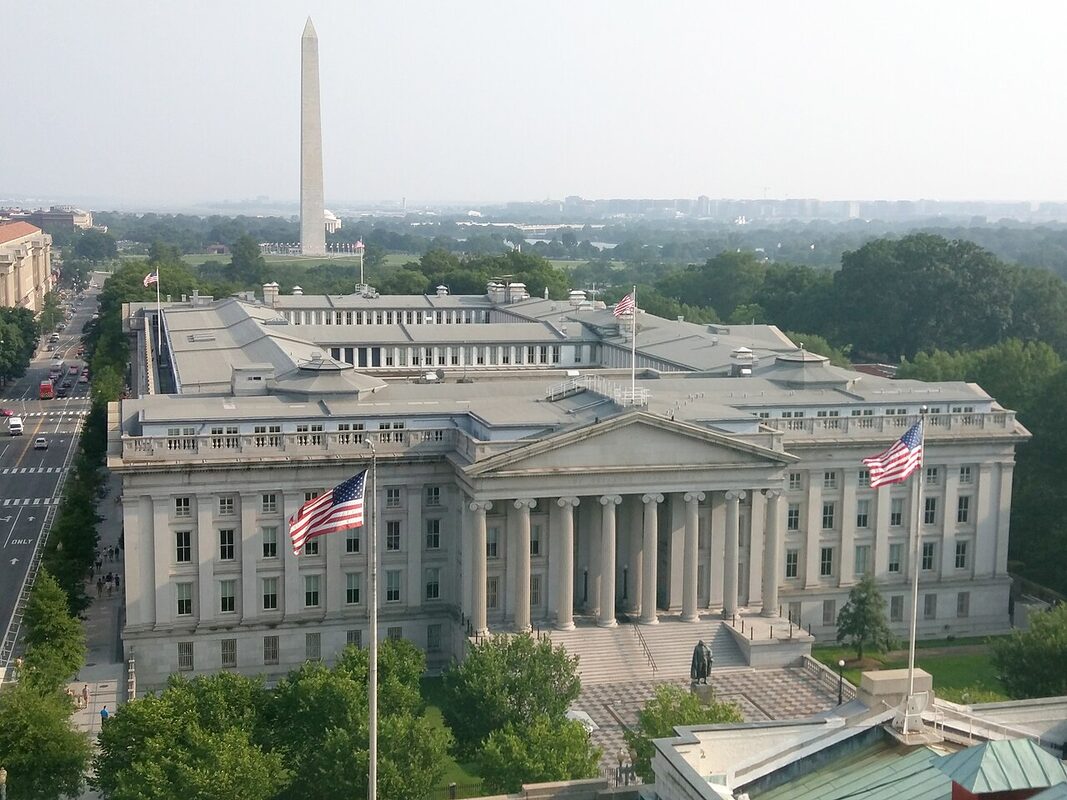
The Financial Crimes Enforcement Network (FinCEN) is the Treasury Department bureau that collects suspicious activity reports, currency transaction reports and beneficial ownership filings from across the US financial system. It says it is investigating a cybersecurity incident. In a statement reported on 25 November, the agency said it was "investigating a cybersecurity incident that resulted in unauthorized access to a limited subset of its systems." It took some systems offline as a precaution and extended several filing deadlines.
The agency has said very little beyond that. It has not explained how the intruder got in, how long they had access, or who they are. It has not said whether any data was taken or altered. As of this writing, no group has claimed responsibility.
What FinCEN has actually said
The incident notice was posted on FinCEN's BSA E-Filing portal, the system banks, money services businesses and other covered institutions use to submit Bank Secrecy Act (BSA) reports. CyberScoop reported its contents. The confirmed points are:
- An unauthorized party accessed a limited subset of FinCEN systems.
- Some systems were taken offline as a precaution.
- As of the notice date, FinCEN said it had no evidence of any breach of its beneficial ownership databases. Those databases hold the ownership information companies report under the Corporate Transparency Act.
- The BSA E-Filing website remains operational, though some services may be temporarily unavailable.
- The Financial Institutions Hotline (1-866-556-3974) is unaffected, according to Infosecurity Magazine.
A source told CyberScoop that the FBI, CISA and third-party forensic examiners are working to determine the scope and impact of the intrusion. FinCEN has not confirmed that publicly.
The wording on beneficial ownership matters. "No evidence of a breach as of today" is a common phrase early in an incident response. It describes what investigators have found so far. It does not mean the database is confirmed untouched, and that assessment could change as the forensic work goes on.
The deadline extension, and the quieter timeline behind it
FinCEN published a release dated 24 November titled "Temporary, Limited Exceptive Relief for Certain Bank Secrecy Act and Corporate Transparency Act Submissions". "Exceptive relief" is regulator language for a formal, temporary exception to a legal obligation. Here the obligation is filing on time.
According to The Hacker News, the relief order is numbered FIN-2026-R002. Reports originally due between 18 November and 29 December can now be filed until 30 December. The relief covers three groups:
- Financial institutions that were using Secure Direct Transfer Mode (SDTM) as of 18 November. SDTM is the channel for sending batches of BSA reports directly from an institution's own servers.
- Companies required to file a beneficial ownership information report during that window.
- Individuals required to update a FinCEN Identifier during the same window.
The Hacker News adds that all other Bank Secrecy Act obligations stay in force, including the duty to monitor for suspicious transactions.
The timing is worth noting. The Hacker News reports, citing a filing-outages report by the markets news site The Deep Dive, that filing providers saw automated batch submission failures starting 18 November, about a week before FinCEN's public statement about unauthorized access. The relief order itself cites a "service disruption" and does not mention the cybersecurity incident. The Hacker News says FinCEN has not said whether the intrusion caused those outages, so it is not clear whether the two are related.
A crowded week for federal breach disclosures
FinCEN's disclosure came alongside other reported compromises at federal agencies. CyberScoop noted that the incident was announced the same day the CIA and the Office of the Director of National Intelligence (ODNI) discovered a data breach of an open-source intelligence analysis system. Infosecurity Magazine reported that the FBI, CIA and ODNI have recently started investigating data breaches reportedly targeting criminal records, such as the National Crime Information Center (NCIC) database, and unclassified intelligence information.
No source has linked these incidents to the FinCEN intrusion. CyberScoop said directly that it is unclear whether FinCEN's incident and the CIA and ODNI breach are related. Readers should treat the clustering as coincidental timing until investigators say otherwise.
Treasury has been here before. The Hacker News notes that in December 2024, a China-linked group used a compromised BeyondTrust API key in an earlier Treasury breach that reached department systems and documents. The Hacker News says no link between the two incidents has been reported.
Why a FinCEN intrusion matters
FinCEN does not move money, so this is not a breach that drains accounts. What it holds may be more sensitive: reports of suspicious financial activity filed by financial institutions nationwide. Suspicious activity reports name people and businesses that banks have flagged, and the reports feed the database FinCEN uses to support criminal, tax and national security investigations, according to CyberScoop. Beneficial ownership filings identify the people who own or control companies. Taken together, these datasets give investigators a view into financial crime. If an adversary obtained them, they could show who is under scrutiny and why. That is a risk assessment, not something any source says has happened.
That is why the specific wording matters so much. FinCEN says the intruder reached a "limited subset" of systems, and it has said there is no current evidence the beneficial ownership databases were breached. The sources report no comparable statement about BSA report data. That may simply reflect the limits of an early-stage investigation, but it is a gap worth watching in future updates.
What It Means for Defenders
There is no patch to apply and no vulnerable product to update. None of the cited sources mentions a CVE or vendor advisory. For most organizations, the practical response is operational.
Who is affected: Banks, credit unions, money services businesses, casinos and other BSA-covered institutions that file through BSA E-Filing, especially SDTM batch filers. Also affected are companies with beneficial ownership reporting obligations, the third-party filing providers and compliance vendors that submit on their behalf, and individuals maintaining a FinCEN Identifier.
What to check:
- Reconcile your SDTM submissions since 18 November. Filing providers reported batch failures from that date. Compliance teams should confirm which batches FinCEN actually received and acknowledged, and which need to be resubmitted. Do not assume a batch went through because your system sent it.
- Re-date your filing calendar. Under FIN-2026-R002, covered reports originally due between 18 November and 29 December can be filed until 30 December. That is not a reason to wait. A backlog from many institutions all landing on the same final days is a good way to hit fresh capacity problems.
- Document the disruption. Keep records of failed submissions, error messages and resubmission dates. If an examiner later asks why a report landed after its original deadline, you want a clear record that ties it to the relief order.
- Use known contact channels. FinCEN says the Financial Institutions Hotline, 1-866-556-3974, is unaffected. A high-profile government incident is a classic pretext for phishing. Treat any unexpected email, call or text claiming to be from FinCEN about "resubmitting" reports, "verifying" a FinCEN Identifier or "updating" credentials with suspicion, and check it through official channels before acting. This is standard practice, not a response to any campaign reported in the sources.
- Talk to your filing vendor. If a third party submits BSA or beneficial ownership reports for you, ask it what it saw during the outage, whether any of your filings are still in limbo, and how it will handle the 30 December crunch.
What not to do yet: Do not tell customers or beneficial owners that their data was exposed. FinCEN has not said that any was. Do not attribute the incident to any actor; no source has named one. Watch for FinCEN updates, and be ready to revisit this guidance if the agency revises its scope assessment, particularly on beneficial ownership and BSA report data.
Sources
- FinCEN.gov: Temporary, Limited Exceptive Relief for Certain Bank Secrecy Act and Corporate Transparency Act Submissions (Nov 24, 2026)
- CyberScoop: FinCEN investigates cybersecurity incident, takes systems offline (Nov 25, 2026)
- The Hacker News: U.S. Treasury's Financial Crimes Agency Takes Some Systems Offline After Cyber Intrusion (Nov 25, 2026)
- Infosecurity Magazine: US Treasury Investigates Cyber Incident Amid Reported Federal Agency Breaches (Nov 25, 2026)
