
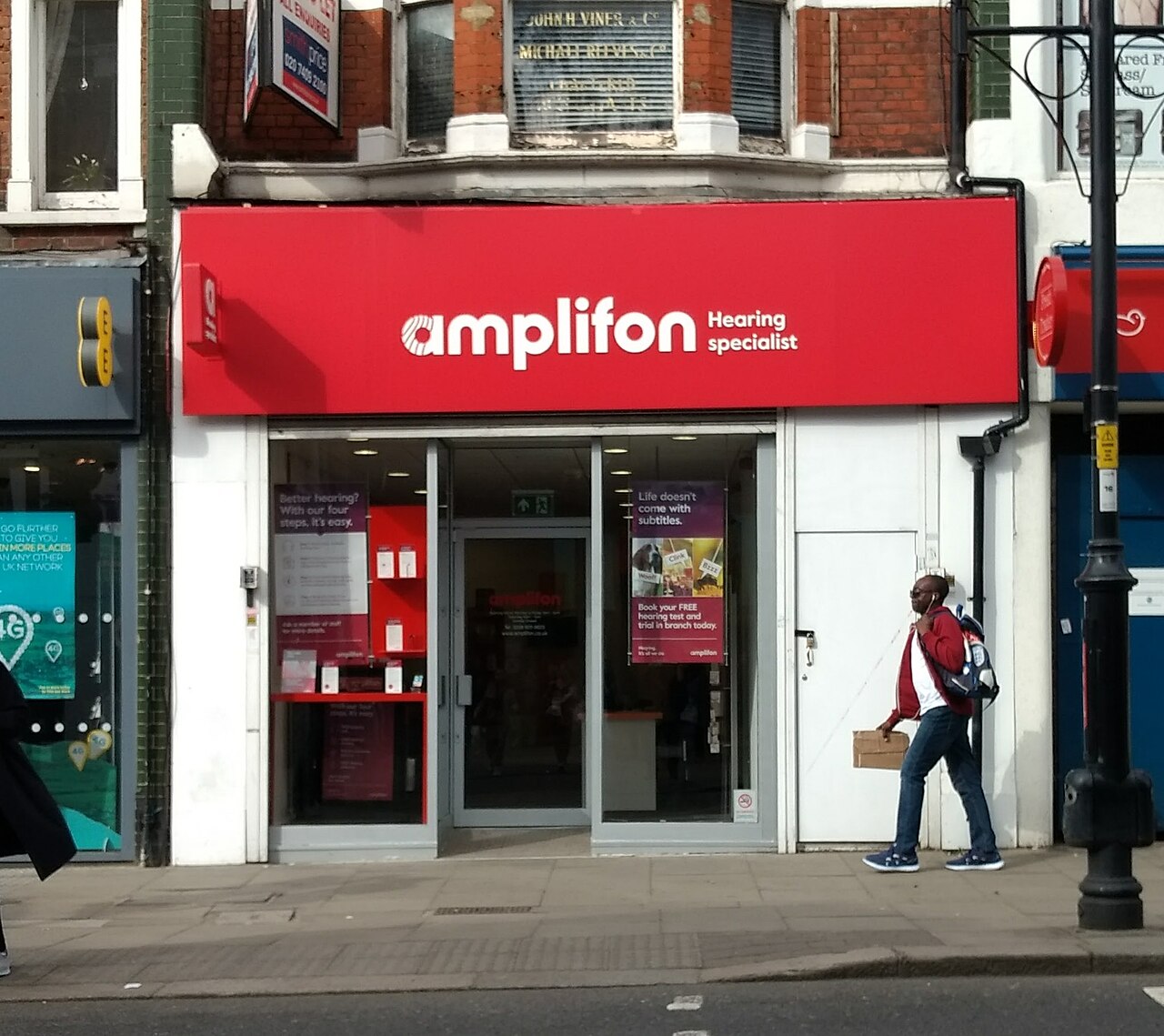
Amplifon, the hearing-aid retailer and hearing-care network, has started notifying customers and state regulators about a data breach. The company spotted the intrusion in February but did not finish working out whose data was involved until October. Its US arm says an unauthorized third party took files from its systems over about three weeks early this year. The stolen data covers the kind of detail that stays useful to fraudsters long after a stolen card number goes dead: government ID numbers, medical record numbers, hearing and other medical information, and health insurance details.
How many people are affected depends on which filing you read. Amplifon's own notice gives no total.
What Amplifon says happened
According to the company's security incident notice, Amplifon detected suspicious activity on its network on Feb. 11, 2026. It says it brought in outside experts to investigate and contacted law enforcement. The investigation found that an unauthorized party had obtained files between Jan. 18 and Feb. 8, 2026.
That timeline matters. The last files left the network three days before anyone noticed, and the window in which files were taken lasted about three weeks. Amplifon has not said how the attacker got in, which systems were involved, or whether any data was encrypted or systems disrupted.
The second date stands out more. Amplifon says a review completed on Oct. 6, 2026, showed that personal data "may be impacted." That is almost eight months after detection. Amplifon does not say why the review took so long. Still, it means customers whose data was taken in January are hearing about it in November.
The same dates appear in the individual notice template Amplifon filed with the California Attorney General. That letter names Kroll as the provider of 24 months of credit monitoring, fraud consultation and identity theft restoration. The template comes in versions, and each letter tells the recipient whether their Social Security number or financial information was involved.
What data was exposed
Amplifon's notice lists the following categories, which vary from person to person:
- Name and contact information
- Date of birth
- Driver's license or state ID number, and other government ID numbers
- Hearing or other medical information
- Medical record number and date of service
- Health insurance identification and related information
- Social Security number or financial information, for what the company calls a "limited number" of people
The company says it is "not aware of any fraudulent use" of the data. That is standard wording in breach letters. It describes what the company has seen so far and does not mean the data is safe.
BreachTally, a secondary breach tracker, summarizes the Texas filing with a slightly different list of data types. It names Social Security numbers, driver's licenses, passport numbers, bank account information, medical information and health insurance information. Amplifon's own notice uses broader terms, "other government ID" and "financial information," so the passport and bank-account details come from the tracker's reading of the state filing rather than the company's public statement.
How many people? It depends who you ask
The confirmed numbers come from state filings. The Record reported that Amplifon's Texas notice lists 85,804 affected residents and its Vermont filing lists 1,027. The company also filed in California, where the notice template is posted.
The much larger figure, 1,332,826 people, comes from two places. BreachTally reports it as the total in Amplifon (USA), Inc.'s Texas filing, which the tracker dates to Nov. 6, 2026. The Record found that class-action law firms are citing the same number. The Record also says Amplifon did not respond when asked to confirm it. Until the company or a regulator's own portal confirms the total, treat 1.33 million as a reported figure, not an established one. The 85,804 Texas and 1,027 Vermont counts are the solid numbers.
No hacking group had claimed the attack as of Monday, Nov. 9, The Record reported. Nobody has publicly attributed it to any actor, and the sources give no basis for guessing.
For scale, The Record set the Amplifon breach alongside other recent health-sector incidents, including iRhythm, which said 8,179,772 people were affected by a cyberattack on its systems.
Why hearing-care data is a target
Hearing-aid retailers sit in an awkward spot. They work like retail chains, but their records look like a medical practice's: audiology results, dates of service, insurer details and patient identifiers. Put those together with a driver's license number and date of birth and you have what's needed for medical identity theft. That means using someone else's identity or insurance to get care, equipment or prescriptions, or to file fraudulent insurance claims.
Unlike a payment card, a medical record number, a birth date or a hearing history can't be cancelled and reissued. That is why 24 months of monitoring helps but doesn't settle the problem. The data will still be out there after the monitoring ends.
What It Means for Defenders
If you are an Amplifon customer: Read your notice letter closely. It should say whether your Social Security number or financial information was involved. That tells you whether to focus on credit fraud, medical and insurance fraud, or both. Sign up for the 24 months of Kroll credit monitoring, fraud consultation and identity restoration Amplifon is offering. It costs nothing, and the restoration service is useful if something does go wrong.
Since health insurance and medical record details were exposed, check your insurer's explanation-of-benefits statements for services, devices or appointments you don't recognize, and report anything odd to the insurer. If your letter says your Social Security number was exposed, think about a credit freeze with the major bureaus on top of the monitoring. A freeze blocks new accounts from being opened in your name. Monitoring only tells you after it has happened.
Expect phishing. Breach notices are routinely followed by scam emails, texts and calls that pretend to come from the breached company, its monitoring vendor or a law firm, and ask you to "verify" personal details. Enroll in monitoring only through the instructions in your actual letter. Be skeptical of unsolicited contacts that already know you are an Amplifon customer, because that fact is now part of the exposed data.
If you run IT or security for a clinic, retailer or contractor that handles health data: Look at the timeline. Files were taken over about three weeks, detection came three days after the last of them, and the data review took almost eight months. Here's what to check:
- Egress visibility. Can you tell when unusually large volumes of files leave file shares or cloud storage? Monitoring for bulk outbound transfers is one way to shrink a multi-week exfiltration window.
- Data inventory. Amplifon has not said why its review took so long, but if you know in advance where patient identifiers, government IDs and insurance data live, working out who is affected after an incident gets faster.
- Data minimization. Do scanned driver's licenses, old insurance cards and full Social Security numbers need to sit in general file stores at all? Data that was never kept can't be stolen.
- Incident-response retainers. Amplifon brought in outside experts and law enforcement. Line those relationships up before you need them.
The sources give no vulnerability, product or patch tied to this incident, so there is no specific fixed version to deploy. The lessons are about detection, inventory and retention, not any particular CVE.
