
The Cybersecurity and Infrastructure Security Agency has gone almost two years without a Senate-confirmed director. On Thursday, 19 November 2026, the man nominated to fill the job had less than an hour to make his case. He shared that time with a long list of other nominees.
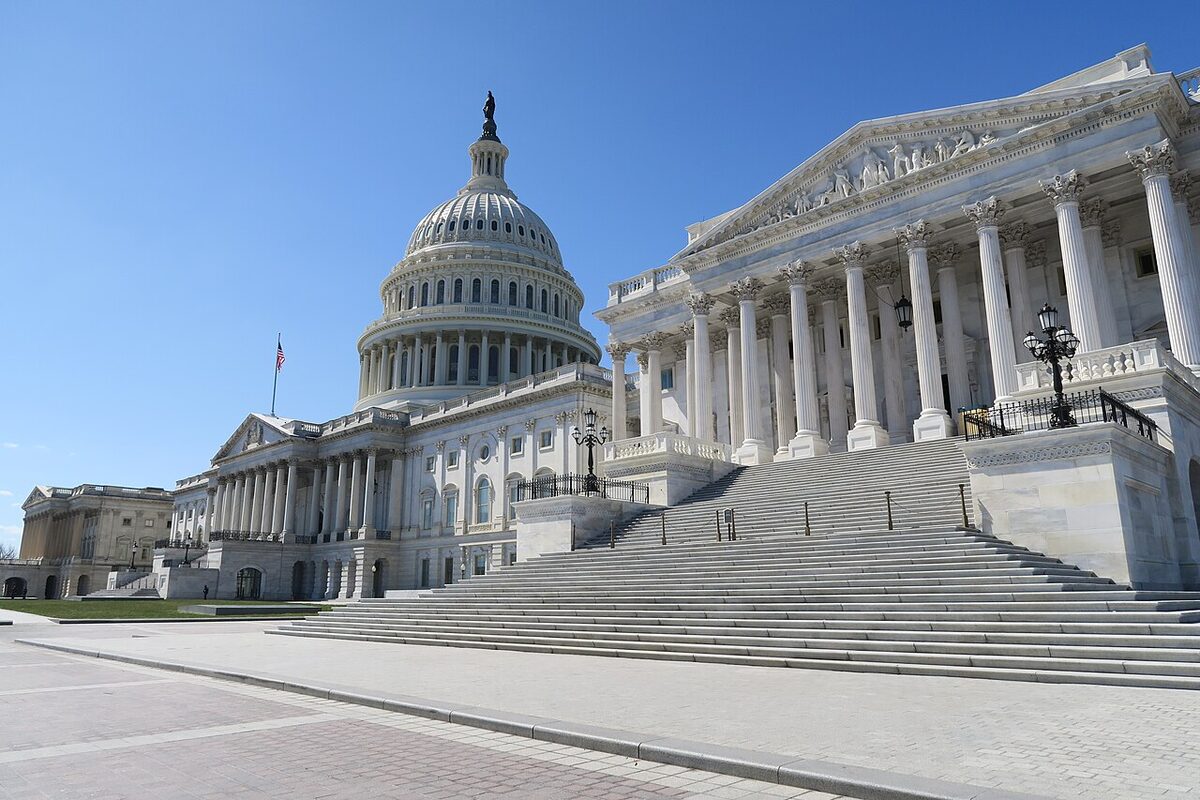
Michael LoSapio, the chief information security officer at Palantir, appeared before the Senate Homeland Security and Governmental Affairs Committee at 9:30 a.m. in room SD-342 of the Dirksen Senate Office Building. He promised to look for the gaps that personnel and funding cuts have left at CISA, and he stopped short of saying the agency's budget needed to rise. Then an exchange about the 6 January 2021 events at the Capitol took over the hearing, and Sen. Richard Blumenthal said LoSapio had disqualified himself.
A Crowded Hearing in a Lame-Duck Session
The committee's official notice shows how little of the session belonged to CISA. LoSapio appeared alongside Eric M. Ueland, nominated as Comptroller General at the Government Accountability Office; Michael Chamberlain, for Director of the Office of Government Ethics; Robert Steffens, for Governor of the U.S. Postal Service; Jeffrey Zisk, for Commissioner of the Postal Regulatory Commission; Maria D'Avanzo, for Inspector General of the General Services Administration; and others. Chairman Rand Paul and Ranking Member Gary Peters lead the committee.
According to CyberScoop, the hearing ran under an hour, far less time than Congress has spent on previous CISA nominees, because LoSapio was considered alongside a large group of other Trump administration nominees that Republicans are trying to move during the lame-duck session. A less friendly, Democratic-majority Congress takes office in January. CyberScoop says the late nomination leaves him little time to lobby the lame-duck Senate and that his nomination will likely compete for limited floor time. The Record reports the committee likely won't vote until after next week's Thanksgiving recess, and that if advanced he could face a floor vote in the final weeks of the session.
This is not CISA's first stalled nomination. The Record reports that an earlier nominee, Sean Plankey, withdrew earlier this year after spending months in limbo on Capitol Hill. Nick Andersen has led the agency as acting director since February.
The Pitch: Find the Gaps First
LoSapio's main promise was diagnostic. The Record reports that he pledged to find the "gaps" left by personnel and funding cuts and to return to the committee with a gap analysis. In plain terms, that means a structured comparison of what the agency is supposed to do with what it can still do. The cuts are large: The Record reports that CISA has lost one-third of its staff since President Trump returned to office and has had its budget cut.
He called the agency "effectively the cybersecurity version of the 911 system," according to The Record. The comparison fits CISA's role. When a hospital, water utility, school district or federal agency is hit, CISA is often one of the first places the victim calls.
LoSapio did not promise to restore the agency's previous size. When Sen. Elissa Slotkin pressed him on resources, he answered: "I don't necessarily believe more money means more security," The Record reports. He added that spending money "on the right solutions in the right ways actually decreases risk," and later said that if analysis showed the need, he would come back to the committee and request more resources. CyberScoop reports that he told Slotkin he could not assess the effect of the cuts because he was an outsider to the agency, and that he did not commit to hiring more staff, only to evaluate the agency's resources once confirmed.
He gave a similar answer on operational questions. According to The Record, he declined to weigh in on recent technical outages, saying he is "not inside" the agency.
He was more direct about one risk. CyberScoop reports that when Sen. Bernie Moreno asked what would happen if Democrats did not fund the agency during the lame-duck session, LoSapio called the impact "catastrophic." CyberScoop adds that CISA and other DHS component agencies would continue to operate under emergency appropriations during a shutdown.
The Jan. 6 Exchange
The exchange that dominated coverage had nothing to do with cybersecurity. Asked by Blumenthal whether the Capitol was attacked on 6 January 2021, LoSapio said, "No, I don't believe there was an attack," according to The Record, and CyberScoop reports he held that position under repeated questioning. Blumenthal then said LoSapio was "disqualified from the position that you've been nominated to fill," per The Record. CyberScoop reports that Blumenthal tied this to what he saw as a lack of independence from the White House. The Record also reports that LoSapio repeatedly declined to say who won the 2020 presidential election, and CyberScoop says he sparred with Democrats on the committee more broadly. After the hearing, the Senate Homeland Security Democrats' social media account posted the exchange and called on the Senate to reject the nomination.
The exchange may matter for the calendar as well as for policy. With floor time short in a lame-duck session and a Democratic-majority Congress arriving in January, a nominee who has drawn this reaction from Democrats has little room to maneuver.
Why Practitioners Should Care
For most readers, the question is not who sits in the director's chair. It is whether CISA's day-to-day work keeps going: its advisories, its catalogue of actively exploited vulnerabilities, its incident-response help for critical infrastructure, and its coordination with federal civilian agencies. CyberScoop noted that little of the hearing went to the specifics of his vision for the agency. LoSapio promised an assessment, said more money is not automatically the answer, and declined to judge the effects of the cuts until he can see them from inside.
Federal contractors and other organisations that lean on CISA guidance should keep an eye on the agency's capacity. This is our inference rather than a finding from the sources: an agency that has lost a third of its staff and is run by an acting director may have less bandwidth, even if its formal mission stays the same.
What It Means for Defenders
No vulnerability, patch or fixed software version is involved here. This is a leadership and capacity story, and the sources list no technical mitigations tied to the hearing beyond LoSapio's general baseline advice. The practical takeaways:
- Who is affected: Any organisation that relies on CISA advisories, alerts or incident support. That includes critical-infrastructure operators, state and local governments, small businesses and federal contractors. With about a third of the staff gone and no confirmed director, it is prudent to plan for the possibility that help arrives more slowly.
- Follow the nominee's own baseline advice: CyberScoop reports that LoSapio said organisations should be more proactive about baseline protections: inventory, evaluate and patch their internet-connected devices. If you have no current list of systems exposed to the internet, make one. Then assess each item's exposure and patch status, and prioritise anything that can be reached from the internet.
- Don't depend on one warning source: If you track exploited vulnerabilities only through CISA, add vendor security advisories and your sector's information-sharing channels so a slowdown at the agency doesn't leave you unaware.
- Review your incident plan: LoSapio called CISA the cybersecurity version of 911. Make sure your incident-response plan doesn't assume that line will always be quick. Have your outside incident-response, legal and reporting contacts written down before you need them.
- Watch the calendar: The Record says a committee vote is unlikely before the Thanksgiving recess, and a floor vote would have to come in the last weeks of the lame-duck session, before a Democratic-majority Congress takes office in January. Until a director is confirmed, the agency stays under acting leadership.
